Did you take part in Sophie Callahan’s #jan19ruralbusiness challenge? I dipped in and out (sorry Sophie!), but I did do most of the days and really enjoyed in. At the end of December, I ran a short five day #5thingsimproudof Insta challenge too, so I have experience from both sides of the coin! With this in mind, I thought I would use the opportunity of two recent Instagram challenges to chat about their value and how you can use Instagram challenges for your own gain.
How to use Instagram challenges – five ways…
They inspire you. If you’re feeling a bit ‘meh’ about Instagram, an Instagram challenge can really help. With specific prompts for as long as the challenge lasts, you can use the ideas listed to create your content. Saving you from having to worry about the idea behind the content.
For blogs. Yep – you read that correctly. I launched my Instagram challenge with a blog about five things I was proud of. I did this as a way to explain the challenge. However, a number of people also wrote their own blogs around the theme, which was great. If you can use the prompts or ideas to create additional content, then get on that case!
They can organise you. If you know you need to get images for your challenge, you can look ahead and see which images you have/source the props you need for when you get time to take the images. This can be really useful if you’re a busy bee.
You can use it on other social media platforms too. You might be taking part in an Instagram challenge, but there’s nothing to say you can’t use the prompts on other platforms too.
To connect. Most Instagram challenges are connected by a hashtag. Search that hashtag and you can find others who are also taking part. You might find new people to follow in your field, or new brands to love, And you might get found by these people too.
https://rheafreemanpr.co.uk/wp-content/uploads/2019/01/5-ways-to-use-testimonials-5.png800800Rhea Freemanhttps://rheafreemanpr.co.uk/wp-content/uploads/2019/05/logo-3-300x224.pngRhea Freeman2019-01-31 06:22:152026-07-10 18:45:145 ways to use Instagram challenges
Do you run a Facebook group? Have you thought about it? I run the free Small & Supercharged Facebook group and the Small & Supercharged Mastermind group too. The free group started life a few years ago and, since it launched, I have been on a very steep learning curve when it comes to running Facebook groups. So in this episode of the Small & Supercharged Podcast, I talk about what rocks… and what sucks… enjoy!
What rocks and sucks about running Facebook groups?
Here are the show notes for the Small & Supercharged Podcast episode 20 – what rocks and sucks about running Facebook groups. In this episode you’ll hear…
Why I started the Small & Supercharged Facebook group and the kind of people you’ll find there (as in, people connected to the equestrian and rural industry).
The differences between Small & Supercharged and the Small & Supercharged Mastermind group.
What rocks- you get to know people really well when running Facebook groups. You get to see the people who support others and understand what makes people tick too.
What sucks – it is hard work. The vast majority of the Small & Supercharged group members are very good, follow the rules and work together. One thing that takes a lot of time is the questions and the requests – particularly when people don’t fill in the questions.
What rocks – the engagement. In a group you get much better engagement than on a page. This can work whether you’re the admin or if you’re an active member of the group.
What sucks – people breaking the rules. I have really simple rules for the Small & Supercharged group, but these do still get broken. If you are involved with running Facebook groups, rules are really important as they allows everyone to work in the same way. When rules get broken, it does make you feel like the bad guy when you delete posts. That’s not fun.
What rocks- groups can be real forces for good. I give a few examples of how Facebook groups can do great things together. Being able to achieve lovely things, as a group, is such a great feeling. Without groups it would a lot more fragmented.
What sucks – copycats. I know I’m not the first person to ever have a Facebook group, but copycats in the same area are a bit of a kick (often using very similar wording and sometimes even promoting their groups in yours).
What rocks- the support of a community. This can be so, so lovely when people are having a challenging time or having issues. A good group means that you have somewhere to go and share and get support as needed. It can help to break a cycle of frustration and sadness and allow people to kick on.
What sucks – not answering the questions. Even if you set questions for your Facebook group, be aware that a LOT of people won’t answer them. I have just under 200 requests at the moment from people who haven’t answered the three simple questions that allow me to make sure they’re a good fit for the group.
What rocks – collaborations. I know that because of the Small & Supercharged Facebook group, a lot of collaborations have happened. Without the Facebook group they may not have found each other. And being able to facilitate this is so, so lovely.
What sucks- things can escalate really quickly. It can be a little stressful if something gets out of hand and it can get out of hand very quickly.
What rocks – people have got to know me. I really like the fact that people have got to know me better. It means that when I meet people at events and shows, we don’t have to go through the awkward first stages of a connection and friendship. It makes networking so much easier and it feels like I’m meeting up with friends at these gatherings, rather than strangers. I might not have met them in person all that much, if at all, but I know them.
what sucks – people not using the group properly. This is more disappointing I guess. It’s all about give and take, and some people tend to take a lot and give very little. This isn’t so much against the rules but it doesn’t feel great.
What rocks – it allows real life activities to happen. Things like the Small & Supercharged meet ups at Badminton. It’s nice to see people in real life, of course it is, but without the group I wouldn’t necessarily know these people. With the Hiho & Co event, a lot of people from S&S are coming, and I think letting people make these connections before an event is a real biggy.
So, that’s my what rocks and sucks about running Facebook groups podcast. I hope it shed a bit of light on the subject of groups for you, whether you want to run one or just want to get the most out of the ones you’re in!
Do you ask your customers for testimonials? If you don’t, now’s the time to start! You might feel like you’re asking people to stroke your ego, but you’re actually providing a service to potential customers. How? Well, think about testimonials. Do they normally share the same kind of information that you share? Mine don’t – have a look at some of my testimonials here and you’ll see. Would I say any of these things about myself? No. I wouldn’t. But more than that, these words show what it’s like to work WITH you, which is something I can’t really do. So you might be wondering what you can do when you have these amazing testimonials. So I’m here to help with five ways to use testimonials…
On your website. I have a testimonials section on my website and I also feature a section on the homepage with a testimonials in a slider. This means that if someone wants to come to my website and find out what it’s like to work with me. They can. The side benefit of this area is that people get to see who I have worked/do work with too.
On your social media. Add your testimonial (or a bit of it!) to a nice graphic (something you can do on Canva) and use it on your social media. Again, don’t feel icky about this. You really are providing a service to your potential customers about what it’s like to work with you.
On your email signature. Signatures can be dead space. I know mine has my contact details and a disclaimer, but I have seen some people add testimonials here and they can look really good, and also link to your website too.
In a blog. Yes, you can use a testimonial as the foundation of a blog all about your amazing client who shared the testimonial with you. It’s a great way to talk about their business, what they do, how good they are and so on. Add your testimonial at the bottom and thank them too.
On printed material. Yes. Business cards, flyers and brochures can benefit from well placed testimonials alongside specific services and products. You don’t want to overdo it, but it can work really well!
As a tip, always make sure you have proper permission to use testimonials from clients. An email saying you’re amazing isn’t permission. Be really clear how you are planning to use their words and make sure they’re happy you do this. Also, it goes without saying that fabricated endorsements are a big fat no too… they have zero value if they’re not real!
https://rheafreemanpr.co.uk/wp-content/uploads/2019/01/5-ways-to-use-testimonials.png800800Rhea Freemanhttps://rheafreemanpr.co.uk/wp-content/uploads/2019/05/logo-3-300x224.pngRhea Freeman2019-01-24 06:34:462026-07-10 18:17:015 ways to use testimonials
In this week’s podcast I speak to Pippa Hawksfield and Jess Crofts from Stride Management. This business was set up by two best friends to address the issue of rider management, sponsored riders, and how brands can work with both more effectively. This is a subject I’m really passionate about. I work with a number of brands and many of these work with riders. I’ve seen amazing relationships with riders that have really blossomed into exciting things. And I’ve seen ones that have generated nothing. But that’s enough from me, over to the ladies at Stride Management to share their tips and thoughts. It’s a good one.
Sponsored riders, managing riders, and how it can help equestrian businesses
Here are the show notes from the Small & Supercharged Podcast- Episode 19, all about sponsored riders, managing riders and how this can help equestrian businesses. We also have a delve into Stride Management and how the business works, the support it offers, and why it started life.
How the idea for Stride Management developed from conversations with brands saying they really struggled with riders, and seeing how some riders go above and beyond.
Why some riders don’t approach brands, even if they could do a really good job for them.
The disconnect between some riders who are very skilled at what they do (and very nice people too!), and delivering to brands who they want support from.
How some brands expect riders to do things for them with no information. As all brands are different, we speak about the value of two way communication.
The importance of coming up with ideas for brands.
Why it’s important for riders to speak to brands they really do like, not just from the brand’s point of view, but also from the rider’s personal brand point of view too.
We talk about good approaches and not so good ones… and the difference between the two.
What Stride Management do day to day for the riders they manage.
How brands can also work with rider management companies to get the most out of them too.
The difference between supporting the riders and brands, and being the gatekeeper.
How working with management companies can be good for riders, to help them serve current sponsors better, get new sponsors, and ease the workload too.
The importance of really good, strong imagery and how that’s something to consider.
For riders – we talk about top tips, such as what to do if a rider likes a brand and how that ‘journey’ should progress, and why riders shouldn’t give up too easily – a no might not be a no forever, it might just be a no for now. We run through a good few additional top tips too.
For brands – we talk about when you’re looking at riders, thinking about the support team around them and how they’re going to deliver on what they promise to you. We talk about engagement as well as following on social media, and a few other top tips too.
We discuss the value of people with engaged followings on social media, rather than riders who compete at the top of their game.
And we talk about brand ambassadors, sponsored riders, financial gain and products being gifted too.
To find out more about Stride Management, find them here…
https://rheafreemanpr.co.uk/wp-content/uploads/2019/01/sponsored-riders-managing-riders-and-how-it-can-help-equestrian-businesses-with-pippa-hawksfield-jess-crofts-from-stride-management.png14001400Rhea Freemanhttps://rheafreemanpr.co.uk/wp-content/uploads/2019/05/logo-3-300x224.pngRhea Freeman2019-01-23 06:09:072026-07-10 18:47:08Sponsored riders, managing riders, and how it can help equestrian businesses - with Pippa Hawksfield & Jess Crofts from Stride Management
If you had a listen to my Small & Supercharged podcast about how to learn on a budget, you should have heard one of my book buying tips. I wasn’t planning to go into it again, but when someone posted on my Instagram feed stating that they had just saved £80 because of this tip, I had to share. It’s completely legit, I promise. But it could save you a lot of money on business books. Well, any books in fact… are you ready?
How to save money on business books
There’s no hiding that I am a big fan of business books. I read a lot and I listen a lot too. I love them. But a book habit can get a bit expensive, if you consume them at the rate that I do. Of course, good books are worth their weight in gold, and the value of the book vs the cost is a whole different blog, but I’m talking about the straight up cost. Now, a few years ago, I stumbled across a few options on Amazon that made buying books a whole lot cheaper. I have bought books for 1p (plus postage). And good books at that. It’s not a dark art, but it might be an area that you may not have explored before. And that’s what this blog is all about.
Let’s walk it through…
So, the best way to show you what I mean is a real life example. So let’s start with Gary Vaynerchuk’s Crushing It, shall we? If you have a look at the link, you’ll see the cost for a shiny new copy of Crushing It is £9.34 (Jan ’19) with free postage if your book order comes to over £10. So if I was being picky, I’d add the postage charge to make my hack seem even better value, but I’m not going to do that. So let’s say this new book costs £9.34. To be honest, for this book, that’s a real bargain.
But before you press Buy Now, take a stroll with me. Under the title of the book you’ll see other buying option. There’s a Kindle version, audiobook, hardcover and paperback. Now, under paperback, see the ‘Used’ option, and see it’s from £3.67 (Jan ’19)? Click on there. This will take you through to a list of used books and their various conditions. So if you spend an extra penny, you can get a ‘Like New’ book for the sum of £3.68. And the postage is £2.80, so we need to add that on. This comes to £6.48. Ok, it might only be a saving of £2.86, but it takes no more time, and could add up to quite a lot.
The thing is, many people aren’t happy to have pre-read business books. Me? I don’t really care! I tend to go for ‘Like New’ or ‘Very Good’ in the condition stakes, and on a number of occasions I did think they probably were new. And that means I can buy more books with that saving!
I do appreciate it’s only a few pounds saved, and if you want to buy new books all the time – DO IT – it’s fine! But if you’re on a budget or really like a bargain, this is quite fun.
Here are a few more business book bargains…
Just to prove the point a bit further, I’ve had a little look at some other book bargains in the business book category. These are all books I like and have read. And these are all correct as of Jan ’19… prices will and do change…
Gary Vaynerchuk – The Thank You Economy – new £14.54. Used (Very Good condition) inc postage £6.65.
Gary Vaynerchuk – #AskGaryVee – new £13.65. Used (Very Good condition) inc. postage £4.31.
Natasha Courtenay-Smith – The Million Dollar Blog – new £11.43. Used (Like New condition) inc. postage is £6.03.
Seth Godin – Purple Cow – new £8.69. Used (Very Good condition) inc. postage is £4.87.
Michelle Mone – My Fight To The Top – new £7.99. Used (Very Good condition) inc postage is £2.89.
Now, before you think all your business book costs have been slashed forever, this only applies to some books. I look at every one I buy and I have a good hit rate, but some cost the same if you buy this way. That said, it’s very easy to see if that’s the way it’s going as all prices are clearly displayed!
Have you bought books like this? I’d love to know – come and find me on Instagram and share!
This is more a DON’T DO THIS post, but I think it’s a good thing to draw attention to. See, we all invest so much time in growing our social media followers, nurturing them, creating engaging content, trying to take lovely pics… the last thing you want to do it pee them off. But it’s actually amazing how many people upset their social media followers. Some are minor infringements and some are a lot more significant. And there are way more than five ways to upset your social media followers, but it’s a starter for 10, isn’t it? I’d urge you though, when you notice someone doing something on social media that seems a bit out there or wrong, note it. Then think about it. Is it going to upset their followers? Why is this? It’s interesting if you’re a bit geeky… yeah… I’m that person. Hopefully the five below will provide a little food for thought and get the grey matter whirling… it’s something I am thinking about way too much…
5 ways to upset your followers…
Inconsistency – you don’t have to post three times a day, but I see so many people who post in an almost scatty fashion. I know that sometimes it’s unavoidable but most of the time, it isn’t. Consistency matters. Being inconsistent is a really easy way to upset your social media followers. People like to see things they expect. And you ‘going dark’ doesn’t help. Also, the way we present ourselves on social media does reflect in us as a brand or a business. Does sporadic posting give off a solid, reliable vibe? Or not?
Demanding things from interested people. Private accounts, blocking people for no reason/because they won’t do what you want… just don’t. If you want people to learn about you, let them see you. Whether they follow you or not, let them have the chance to get to know you. Of course, it would be nice if these people followed you but for whatever reason, they haven’t. Don’t stress. Nothing says ‘you’re here for my ego and nothing else’ more than making demands on people interested in your account.
Never comment. Have you ever commented on someone’s post and they haven’t so much as bothered to tap the tiny heart? Or like your comment? And I’m not talking about people like Taylor Swift who have millions of followers, I’m talking about ‘normal’ people, and normal accounts. If you never so much as tap the heart on anyone’s comments, don’t expect people to keep coming back for more. It’s a bit like trying to start a chat with someone in a room and they just keep blanking you. How long do you try for?
‘You know I’m great, don’t you?’. Please stop. I like to see what people I follow are up to, I like to smile at their stunning images and stories. But what I don’t like is someone continually telling me they’re great. You don’t need to say ‘Wow, I’m great, did you know’, just share in a way that others might enjoy it. I share when I’ve done idiotic things (quite often!), I share content I produce, I share testimonials, I share lots of things, but I personally despise arrogance… and I’m not alone in that.
Have someone who doesn’t get your audience run your account. How many times have you followed a brand, noticed a weird change in style and then felt really disconnected to the brand. I have. I’m not against working with people to help you run your social media (I do this for a number of businesses), but an understanding of the audience and industry is key. Otherwise you just leave your audience scratching their heads, wondering what’s happened. This is such an easy way to upset your social media followers.
What tips would you add to this list? Pop over over to my Instagram and comment on the graphic – I’d love to hear some of your top ‘don’t’ tips!
https://rheafreemanpr.co.uk/wp-content/uploads/2019/01/5-ways-to-upset-social-media-followers.png800800Rhea Freemanhttps://rheafreemanpr.co.uk/wp-content/uploads/2019/05/logo-3-300x224.pngRhea Freeman2019-01-17 06:34:222026-07-10 18:45:145 ways to upset your social media followers
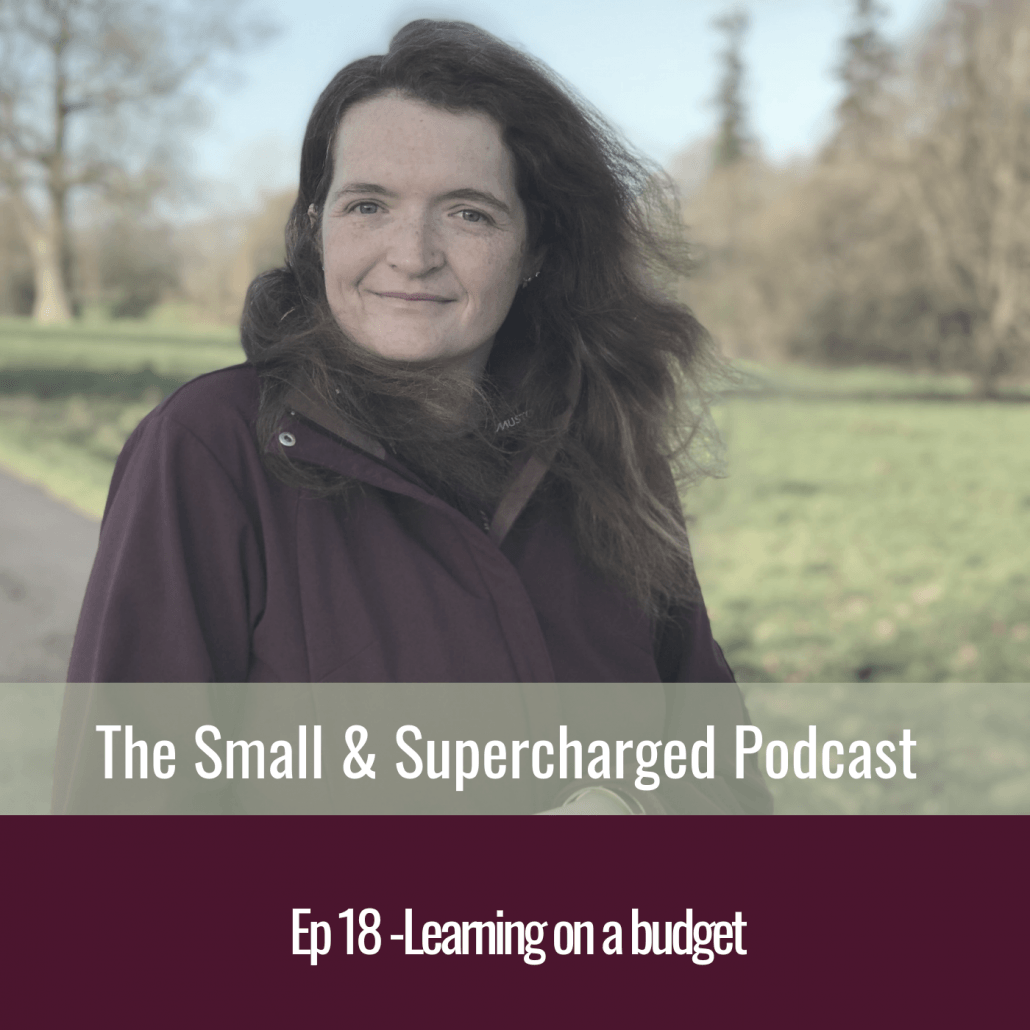
Continual learning is something I am a huge advocate of. But not just the kind of learning that goes on via courses, coaching and workshops. Don’t get me wrong, I do all three of these, but I’m also a big advocate of learning when you have zero budget. The great thing is that there are lots of ways to learn on a budget. Even if that budget is zero. And by putting in the work and learning, you’ll not only be able to deepen your understanding and increase your knowledge, you’ll be up-skilling to make yourself a more ‘valuable’ addition to anyone’s team. Even if you’re the only one on that team.
Learning on a budget – how to learn on a budget and why you should look into it!
I’ve actually written a blog about how to learn on a budget before… and I produce a lot of content to help people learn for free. This podcast is just one example. Of course, this podcast isn’t about what I do that you can use, but the variety of resources available to help you learn on a budget. Even if your budget is non existent! Show notes for episode 18 – Learning on a budget…
We talk about the variety of learning options out there- from resources that are free to thousands of pounds.
I talk about when I learn (walking the dog, in the car, etc!)
We discuss overwhelm and how it’s important to pick the people you want to learn from and focus in on them.
How you need to pick a few people you really rate and trust, so you don’t get overwhelmed and procrastinate.
We talk about podcasts and the value that these can bring. I also recommend Jenna Kutcher’s Goal Digger Podcast and Amy Porterfield’s Online Marketing Made Easy Podcast. And I also talk about the problems I had when I listened to too many.
Moving through to a low cost paid for option, I talk about the value of audiobooks and how I use Audible. I really do like Audible – I wrote a blog about my Audible obsession a little while ago.
We talk about books and a little hack I have on Amazon where you can pick up books for much less than the new price. I’ve actually picked up books for a penny (I have to add postage, obviously!), but these can still be a lot less than the new price.
I talk about blogs and how these can provide a great free resource of tips and information. You can subscribe to people’s mailing lists too, so you get that information into your inbox.
Video – there’s a surprise – yes, video is a great way to learn. YouTube is a fountain of free how to videos (and, you know, baby monkeys riding on pigs). I use YouTube a lot actually, especially for more visual things.
How membership groups can be really, really useful. I also talk about the Small & Supercharged Mastermind group and how group coaching can work and deliver really good results for a good price.
We discuss paid for online courses. I talk about the courses I’ve done online, particularly with Fiona Humberstone, and how these go a lot deeper into subjects and are usually better produced and more structured than free content.
‘Live’ events, like workshops, talks and seminars, can vary hugely in price, but are a great way to learn. Websites like EventBrite can be a good way to find workshops and events near you.
We talk about low cost courses, like the ones provided by providers like Udemy. These are generally much lower value and run by people who aren’t brands in their own right. But if you have something specific to learn, Udemy might be perfect for you.
And we finish by talking about the main differences between free and paid for content. Not just the cost…
https://rheafreemanpr.co.uk/wp-content/uploads/2019/01/learning-on-a-budget.png14001400Rhea Freemanhttps://rheafreemanpr.co.uk/wp-content/uploads/2019/05/logo-3-300x224.pngRhea Freeman2019-01-16 05:58:002019-01-15 17:59:38Learning on a budget - Small & Supercharged Podcast
What are you doing on Monday 11th February? If the answer is ‘nothing’ or ‘nothing that can’t be changed’ – read on – I have the perfect way to spend the day. The Hiho & Co Instameet. Well, I call it an Instameet because I think that’s a term that everyone gets, but it’s SO much more than that. A bit like saying a Lindt ball is a chocolate. It does it no justice at all.
So what’s Hiho & Co?
You may remember that last September, Hiho ran an event called ‘Style, Skills & Silver’ at The Fish Hotel in Broadway. This was the very first of its kind in our industry and brought together bloggers, vloggers and small businesses with some of the best brands in our space, and various experts too. There were two workshops- one about style and one about skills, and a group of the most amazing people learnt lots and got hands on in both workshops. I ran part of the skills side with Sophie Callahan, Ruth Chappell and Rachel Bragg, and I had the most amazing time. As soon as the first one was finished, we all agreed we wanted to do it again. We’d had the best fun, met lots of amazing new friends, and learnt lots too. It was great. So then we started plotting. And that’s where Hiho & Co came from.
Why not Style, Skills & Silver?
As I mentioned, the first event was called Style, Skills & Silver, but this one has had a name change. Emma Warren (Queen Bee of Hiho Silver) felt that Hiho & Co was a true reflection of the collaborative nature of the event. Not only the brand ambassadors and experts, but also the people attending. Because without exception everyone worked together. And not only that, but created some mind blowing content and further collabs long after the event ended. I like the new name a lot!
So what’s happening at Hiho & Co?
We’re building on the very firm foundations of the first event, but with a few changes. We’ve moved location to Hiho’s home county and are able to hold the event at Blackdown Shepherd Huts. These huts contain the most Instagrammable interiors and details I’ve ever seen, and with the workshops we have planned, are going to work so well. Their exteriors are pretty extraordinary too, with the craftsmanship shining through at every opportunity, providing the perfect backdrop to our plans.
At this event, you’ll still have the chance to work with Sophie Callahan, Rachel Bragg, Ruth Chappell, Melanie Clarihew, me, and the Hiho team, but you’ll also be treated to a workshop run by the very talented Capture By Lucy. I promise you, it is going to be superb.
You’ll also be treated to a delicious lunch, cakes, a goody bag, plenty of opportunities to chat to people to help your business flourish… and you’ll make some new friends too. Probably people you feel you already know through Instagram. But in real life.
The bad news is that, at time of writing this, there are just FOUR spaces left. So if you want one, get in quick! You can book your ticket to Hiho & Co here!
Today it’s all about goals – well, more precisely goal setting for your small business. It might be a few days since the bells welcomed the New Year, but the good thing is that goals are a bit different to resolutions. Resolutions generally kick in on 1st January and, for many, don’t last all that long. In more recent years, I’ve ditched resolutions. I tend to feel that resolutions are about taking something way. Maybe you want to eat less chocolate? Drink less alcohol? Do you see what I mean? The problem is that when you have a cube of Dairy Milk you can feel like a failure and that can knock you off course. Goals, well, to me, are different. Goals are what I like to focus on.
Goal setting for your small business
The good thing about goals is that they sit well in personal and professional life. It would feel a bit odd to have a resolution for your business, wouldn’t it? But a goal? That makes perfect sense.
The thing with goals is that there’s a bit of a knack to setting them. Well, maybe not a knack as such, but a way to increase your chances of success. Which is the whole reason we’re setting goals- to succeed in areas of our lives- isn’t t? So here are five tips on goal setting that I’ve gathered…
Goal setting for your small business…
Write it down. So flipping simple. But SO effective. I don’t know if you’re like me, but I have this crazy idea that I can remember everything. And I really, really cant. I can remember an impressive amount of things – not where my car keys are, or to order birthday cards on time: I can’t remember everything. And goals are something that get forgotten. But it’s not just for those who have a lot on their plate, there’s been a lot of research done that supports the theory that writing a goal down makes there a much greater chance you’ll achieve it. Simple, hey.
Be specific. If you want to grow your Instagram following – what’s the number you’re aiming at? Want to grow sales? By how much? Want to stock new brands in your tack shop? Which ones? See what I mean? If you have a specific goal, you can measure your success against it. Don’t use it as a thing to beat yourself around the head with. If you say, for example ‘grow my Facebook page’ and you grow it by one, you’ve technically achieved your goal, haven’t you? But I would imagine that’s not quite what you were thinking… so how do you know you’ve achieved what you wanted to achieve if you don’t know what it is?
Break it down. Have achievable steps. Set big, brave goals- by all means – but then break it down into small steps with mini goals, and create the plan around it. So if you want to make HUGE sales as part of a three year plan, break it down into yearly, monthly, weekly if you like, and they create a plan to get there.
Put a time limit in there. Connected to being specific, you want to also add a time in there. If you have a goal to do something by some undefined point in the future, you might find that your goal never really comes true.
Accept that you might not know how to get to your end goal. But you do know how to take the first step. I know this is hardly the SMART goal setting method, but this bit is really, really important. I do love a grand plan, but grand plans are kind of pointless if you don’t actually get on with them at some point. Even if you feel overwhelmed by the goal you’ve set, just start. Do something small. You know how to get this started. Want to improve your videos on social media? Watch a YouTube video about it. Want to grow your mailing list? Google it to get some top tips from the professionals. And that, my friend, that potentially small, simple action, will help propel you forward to achieving what you want to.
I really hope that’s inspired you to give goal setting for your small business a go – I promise you it’s not difficult and it can be really, really effective.
https://rheafreemanpr.co.uk/wp-content/uploads/2019/01/goal-setting-for-your-small-business.png800800Rhea Freemanhttps://rheafreemanpr.co.uk/wp-content/uploads/2019/05/logo-3-300x224.pngRhea Freeman2019-01-10 05:44:202019-01-09 17:57:005 tips for goal setting for your small business
Today we’re talking about one of my loves- branding. I love it. Who doesn’t?! So when I met Kirsty from Fleetwood & Foxgrove at TEDxTelford and we had a chat about her business and branding, I knew I had to get her on the podcast to talk about branding her new business! This is a really interesting podcast, talking about what branding really is, how it’s more than logo deep, picking colours and fonts, and a lot more.
Branding for small businesses with Kirsty Fleetwood
Have you ever wondered about branding? Feel a bit lost when it comes to your own brand identity? Or are you at the beginning of your journey and not sure where to go? Well today’s podcast is perfect. In this podcast all about branding for small businesses with Kirsty Fleetwood from Fleetwood & Foxgrove, we talk about it all. Here are the show notes for episode 17…
We find out about about Kirsty’s background, why she decided to develop a scarf brand, what she does for her ‘day job’.
How she developed the name for the brand and also how the colours, logo and branding developed.
We talk about Kirsty’s connection to branding and how her husband has a graphic design business, so that made the process easier.
How being British is a really important piece of the Fleetwood & Foxgrove brand.
The importance of finding likeminded brands that support your brand and ethos to work with.
How branding on paper and online translates over to show stands and customer experience.
Why it’s important to have brand guidelines, whether it’s a list of 10 points or a whole book, and how these should carry through into your stand, your packaging, and everything else.
The idea behind making the tradestand a reflection of the family home. With the name, colours, and even the designs, there’s a really strong connection to Kirsty’s family.
Why great packaging matters, and how each Fleetwood & Foxgrove parcel is wrapped like a present. We also talked about how you can reuse some elements of packaging too.
We talk about social media and the way branding and brand guidelines filter over into this, particularly Instagram.
We talk about being able to preview your Instagram content (using things like Later) to help make sure your grid shares the feel you want to it.
We talk about the Field and Silk range and the differences.
The designs of the silk scarves and the development process involved in this from Kirsty’s point of view.
How the design of the silks differs to the Field range, but how the smaller points are also consider, like how a leather tab works really well with the Field range, but wouldn’t work with a silk.
The minor details that can really elevate a brand, like talking in third or first person. This doesn’t matter, but making sure you’re consistent does.
Why repetition really matters to help emphasis the brand and ethos at each opportunity.
How a big brand document might work really well for a corporate business, but how, for a start up, it doesn’t have to be.
Why it’s important to do your best to get everything as you’d like, but sometimes you won’t be able to get the exact colour matching on something like this, and how this shouldn’t hold you up.
The importance of analytics and how to use these in a range of different ways.
A big thank you to Kirsty for chatting to me on today’s Small & Supercharged Podcast – here are all the links to find out more…
https://rheafreemanpr.co.uk/wp-content/uploads/2019/01/branding-and-new-business-kirsty-fleetwood-fleetwood-and-foxgrove.png14001400Rhea Freemanhttps://rheafreemanpr.co.uk/wp-content/uploads/2019/05/logo-3-300x224.pngRhea Freeman2019-01-09 06:13:172019-01-15 17:59:57Let's talk about branding and new business with Kirsty Fleetwood from Fleetwood & Foxgrove - Small & Supercharged Podcast